A value-add plan grew a 56-unit apartment community in Dearborn Heights by pairing a $1.2 million, three-year renovation with tighter operations, and the published results were a 43% increase in total revenue, a 27% reduction in operating expenses, and a $2.5 million increase in asset value. Here is what a value-add plan involves and what this case study shows Michigan multifamily owners.
The quick answer
- Starting point: an underperforming 56-unit community with inflated expenses, uncontrolled utilities, and below-market rents.
- The plan: a $1.2 million renovation over three years, plus strict financial controls.
- Revenue: up 43%.
- Operating expenses: down 27%.
- Water usage: down 47%.
- Net operating income: up $165K per year.
- Asset value: up $2.5 million.
What is a value-add plan?
A value-add plan is a strategy for raising a property's income and lowering its costs through targeted improvements and better operations. In multifamily, value is closely tied to net operating income (NOI): the money left after operating expenses are paid. Raise revenue, cut waste, and NOI grows. When NOI grows and operations are stable, the property is generally worth more to lenders and buyers.
We cover the basics in our post on how multifamily property management increases property value. This article shows what that looks like at a real Wayne County property.
The situation: a 56-unit community in Dearborn Heights
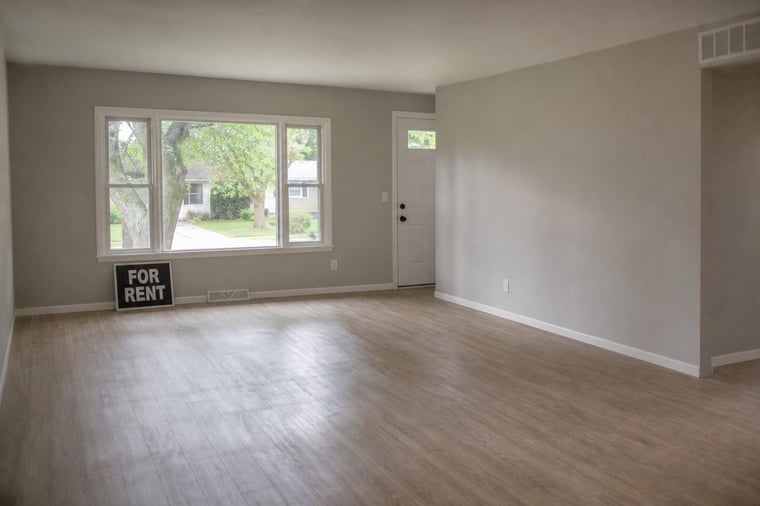
According to our published property management case studies, when JMZ Management was engaged to oversee this 56-unit community, it was underperforming both operationally and financially. Expenses were inflated, utilities were uncontrolled, and rents were below market. The property needed physical improvements and a full operational restructuring.
The typical levers of a value-add plan
Every building is different, but most value-add plans pull on the same five levers. Below, each lever is explained in general terms, followed by what the case study says JMZ did.
1. A capital plan
A capital plan sets priorities and a budget for big-ticket work over several years. It typically ranks projects by safety, by what residents notice most, and by what is most likely to support higher rent. Spreading work over time can also keep units leased while they are improved. In this case, JMZ executed a $1.2 million capital renovation program over three years.
2. Unit and common area upgrades
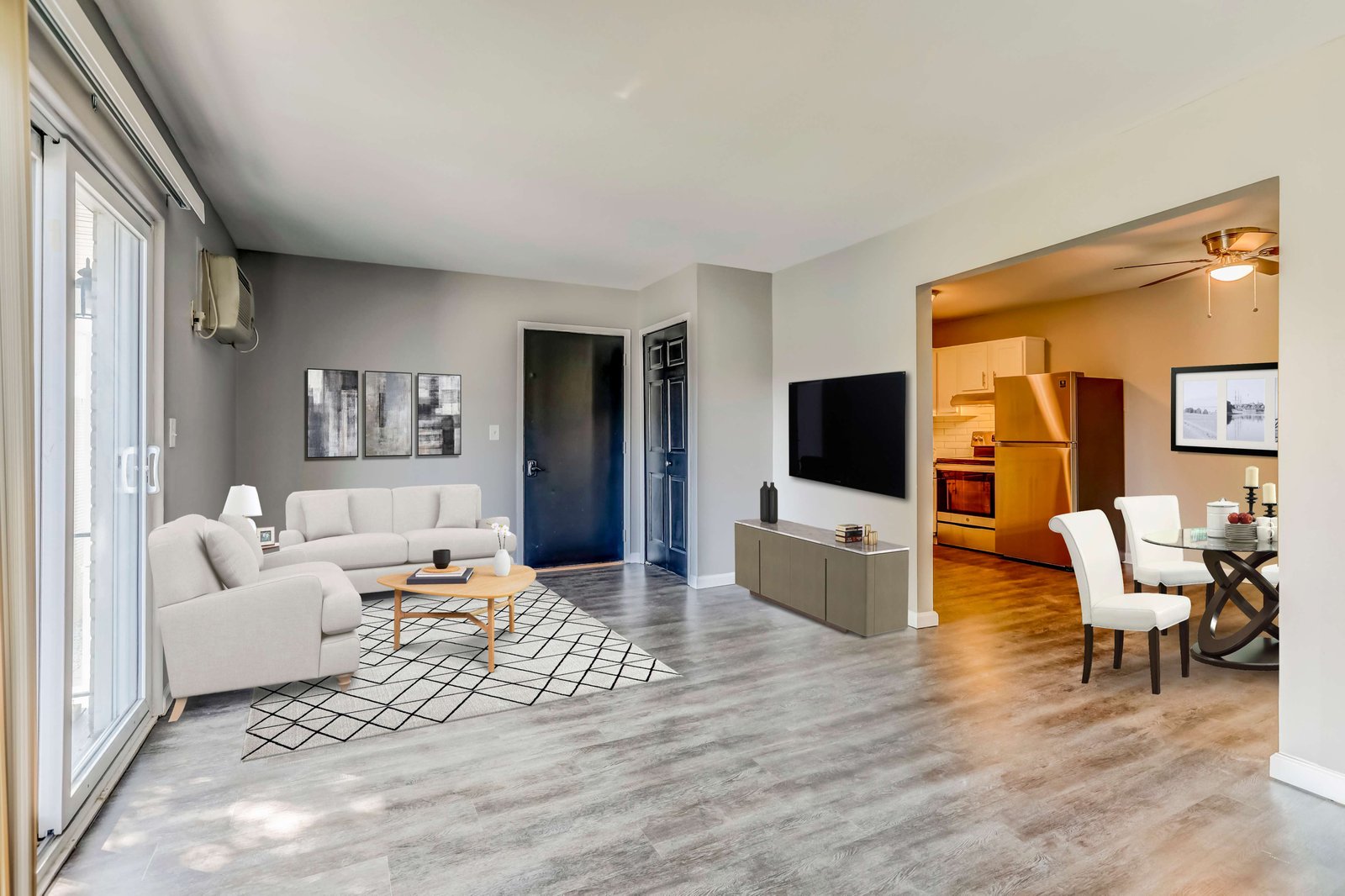
Typical interior upgrades in value-add projects include kitchens, flooring, bathrooms, and fixtures, with exterior work focused on curb appeal and shared spaces. The case study lists a full interior renovation program along with exterior and common area improvements. It does not itemize each finish, so we will not either.
3. Expense control
Expense control usually starts with an audit: what is being paid, to whom, and why. Typical levers include rebidding service contracts, catching repairs early with preventive maintenance, and removing costs that no longer make sense. At this property, the case study lists vendor contract renegotiations, preventive maintenance protocols, and an expense audit and restructuring. Total operating expenses fell 27%.
4. Water savings
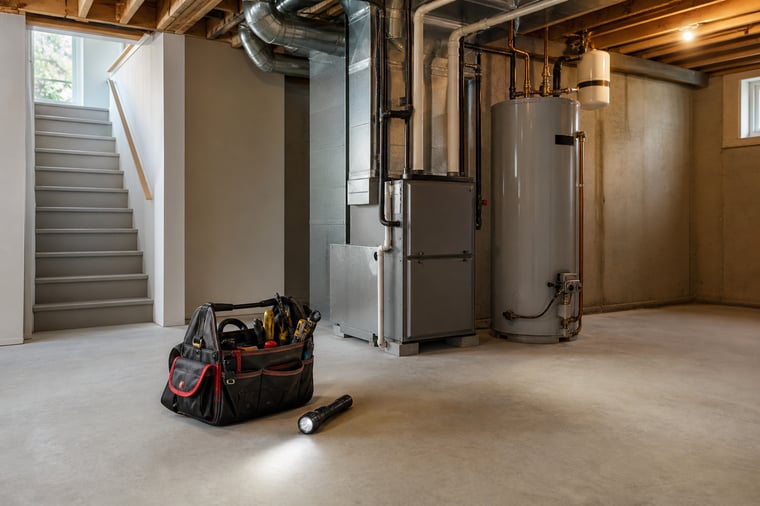
In older apartment buildings, water is often one of the easiest costs to cut, because leaks and outdated fixtures can waste water every day. The case study lists fixture replacements, leak detection, and monitoring systems. Water usage dropped 47%, and the case study notes that water management systems and tighter operational controls cut utility costs significantly without compromising the resident experience.
5. Leasing and rent positioning
Renovated units only add value if they lease at market rent. Typical leasing levers include a current rent survey, strong marketing, consistent screening, and a plan to keep good residents. At this property, rents were repositioned to match market demand, and the case study credits renovation-driven rent increases and improved occupancy with bringing the property up to market-level performance. For more on setting rents, see how to set rental rates in Metro Detroit, and for keeping residents, read how to improve tenant retention.
The results
Over three years, the published numbers were:
- $1.2M capital renovation program executed
- 43% increase in total revenue
- 27% reduction in total operating expenses
- 47% reduction in water usage
- $165K annual increase in net operating income
- $2.5M increase in asset value
The key point for owners: revenue went up and expenses went down at the same time. That combination is what moves NOI, and higher NOI with stabilized operations is what raised the property's market value and created equity for ownership.
Is your building a value-add candidate?
Ask yourself a few questions:
- Are your rents below what similar Metro Detroit apartments are getting?
- Have expenses crept up without a clear reason?
- Are utilities, especially water, higher than you expect?
- Are vendor contracts years old and never rebid?
- Do units look dated compared with nearby communities?
If you answered yes to two or more, there may be value on the table. A professional review is the best way to know.
Multifamily property management in Michigan with JMZ Management
JMZ Management is based at 40020 Twelve Mile Rd in Novi and manages 1,000+ properties across Oakland, Wayne, Macomb, Livingston, and Washtenaw counties, with 24/7 maintenance coordination. Our multifamily property management team works with buildings from a duplex to 100+ units, covering marketing, screening, maintenance, rent collection, inspections, financial reporting, and real-time owner access. Lower rates may apply for multifamily portfolios; see our pricing page.
Frequently asked questions
What does value-add mean in multifamily real estate?
Value-add means increasing a property's net operating income through improvements and better operations, such as unit upgrades, expense control, utility savings, and repositioning rents to market.
How long does a value-add plan take?
It depends on the property and the scope. The Dearborn Heights case study was a three-year plan.
How does lowering expenses increase property value?
Lower expenses raise net operating income. Apartment buildings are commonly valued based on their income, so higher, more stable NOI generally supports a higher value.
Can water savings really make a difference?
Yes. In the Dearborn Heights case study, fixture replacements, leak detection, and monitoring systems contributed to a 47% reduction in water usage.
Does JMZ Management manage apartment buildings outside Novi?
Yes. JMZ manages properties in 125+ cities and townships across five Southeast Michigan counties. Request a free rental analysis or call 248-284-6990.
The bottom line
A value-add plan is not just a renovation. It is a renovation plus disciplined operations: expense audits, vendor management, water savings, and leasing at market. In Dearborn Heights, that combination added $165K in annual NOI and $2.5 million in asset value. At JMZ Management, your property is our business.
Wondering what your building could earn? Get a free rental analysis or a multifamily management proposal at jmzmanagement.com/freerentalanalysis or call 248-284-6990.
CONTACT US to learn more about professional property management in Michigan.