






Late rent isn’t just an inconvenience, it’s a direct threat to your rental property’s cash flow and long-term performance.
Most landlords will encounter rental arrears at some point. The difference between a minor issue and a major financial problem comes down to how it’s handled.
In today’s rental environment, where tenant protections are evolving and operational standards are rising, landlords need more than a reactive approach. They need a clear, repeatable system for handling late rent professionally, legally, and efficiently.
What Rental Arrears Really Means (and Why It Matters More Today)
Rental arrears simply means rent that has not been paid by the agreed due date. While the term is often used interchangeably with late rent, the impact goes far beyond a missed payment.
If not addressed quickly, rental arrears can lead to:
• Disrupted monthly cash flow
• Delayed owner distributions
• Increased financial stress
• Legal complications
• Potential eviction timelines
Today, this issue is even more critical. With increasing tenant protections and stricter regulations in many markets, landlords must follow documented, compliant processes when addressing non-payment.
Handling arrears incorrectly can slow down eviction timelines or even create legal risk.
The Right Way to Handle Late Rent Step-by-Step
The most effective landlords don’t improvise—they follow a system.
A structured process not only improves collection rates but also protects your legal position.
Step 1: Start with Immediate Communication
The first step is simple—reach out!
Many late payments are caused by temporary issues, confusion, or oversight. Opening communication early helps clarify the situation and sets expectations moving forward.
Step 2: Reinforce Lease Terms
Your lease is your foundation.
A strong lease should clearly define:
• Due dates
• Grace periods
• Late fees
• Accepted payment methods
Consistency is key, and enforcing policies unevenly can create long-term problems.
Step 3: Avoid Unstructured Partial Payments
Accepting random partial payments may seem helpful—but it often delays resolution and can complicate eviction proceedings.
Instead, if flexibility is needed, use a formal repayment plan with:
• Clear payment amounts
• Specific deadlines
• Written agreement terms
Structured plans protect both parties and create accountability.
Step 4: Issue Formal Notices When Necessary
If communication fails or deadlines are missed, the next step is escalation.
This typically includes:
• Late notices
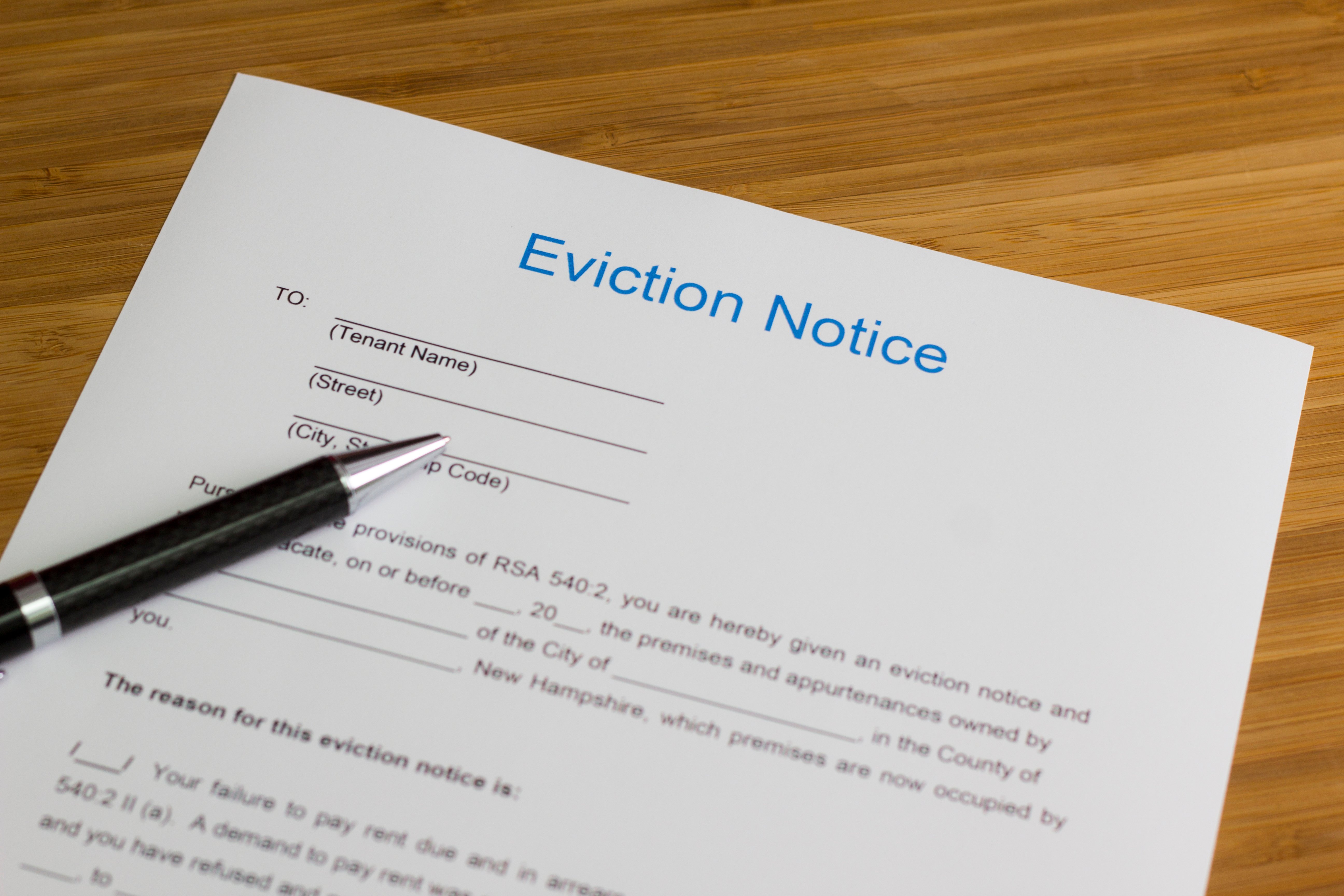
• Pay-or-quit notices
• Legal documentation
Following proper legal procedures ensures you maintain your right to take further action if needed.
Step 5: Treat Eviction as a Last Resort
Eviction is sometimes necessary—but it should never be the first move.
It is a time-consuming and costly process, and in many cases, resolving the issue earlier through communication or structured agreements leads to better outcomes.
However, when a tenant cannot or will not pay, taking action is essential to protect your investment.
How to Prevent Rental Arrears Before They Start
The most effective way to deal with late rent is to prevent it altogether.
Professional landlords and property managers focus heavily on front-end systems that reduce risk.
Strong Tenant Screening
The best predictor of future payment behavior is past behavior.
Thorough screening helps ensure tenants have:
• Stable income
• Reliable payment history
• Financial capacity to afford the rent
Accurate Rental Pricing
Pricing too high can increase the likelihood of late payments, while pricing correctly improves tenant stability and retention.
Clear Payment Systems
Make it easy for tenants to pay rent.
Online portals, auto-pay options, and digital reminders significantly reduce missed payments and improve consistency.
Consistent Communication
Tenants are more likely to communicate early if they feel comfortable doing so.
Open communication allows landlords to address issues before they escalate.
Defined Policies and Expectations
Clear expectations eliminate confusion.
When tenants understand exactly how rent is handled—and what happens if it’s late—they are more likely to comply.
Takeaway
Rental arrears are not just a tenant issue—they’re a systems issue.
Landlords who rely on reactive decisions often face recurring late payments, inconsistent cash flow, and unnecessary stress. Those who implement structured processes create stability, predictability, and stronger long-term performance.
Handling late rent effectively comes down to three things: clear communication, consistent enforcement, and proactive systems.
If you want to eliminate guesswork, reduce risk, and improve your rental property’s financial performance, having the right systems—or the right property management partner—can make all the difference.
Find out how your rental property is performing and where you may be losing income. Get a professional rental analysis and strategy tailored to your investment.